What a sharp plane blade changes in the wood
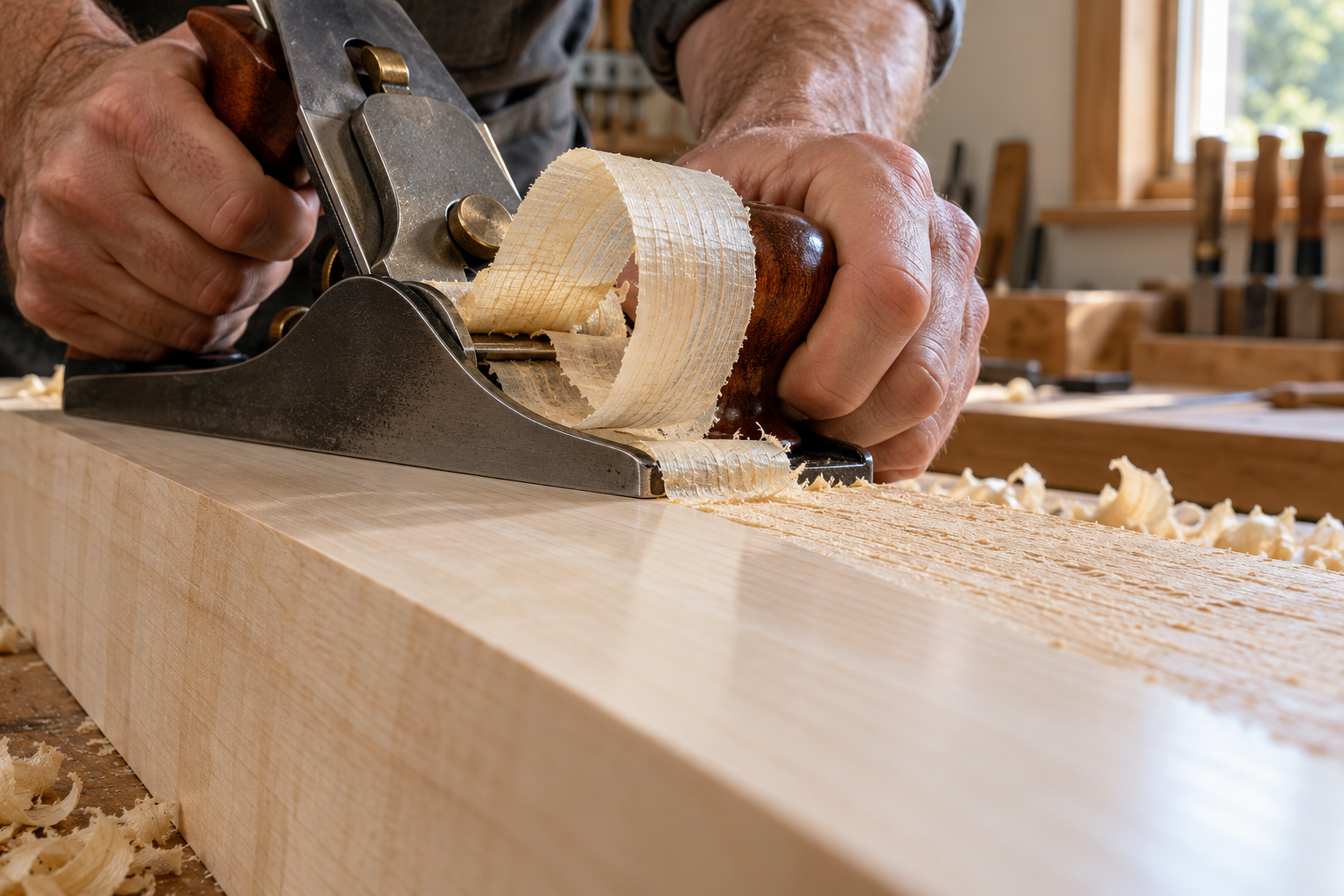
A honed plane iron can sever fibres cleanly, but grain direction, shaving depth and chip control determine whether the new surface stays smooth.

About the author
I build furniture on weekends in a one-car garage in Minneapolis. During the week I work in facilities administration, a role that has encouraged my appreciation for things that are easy to find, maintain and put back. My woodworking began with a shelf and a borrowed set of tools, and my workshop still has to leave room for everyday storage.
One-Car Garage documents useful projects and the space around them. I write about planning, organizing a modest bench, learning from offcuts and making furniture for real objects rather than an imagined catalogue room. I prefer a finished, useful shelf to a very impressive collection of unopened equipment.
I share projects honestly, including decisions that made assembly awkward or a piece less convenient than expected. My interests outside the garage include community gardens, repairing bicycles and making a substantial breakfast for anyone willing to help move a bookcase.
A honed plane iron can sever fibres cleanly, but grain direction, shaving depth and chip control determine whether the new surface stays smooth.
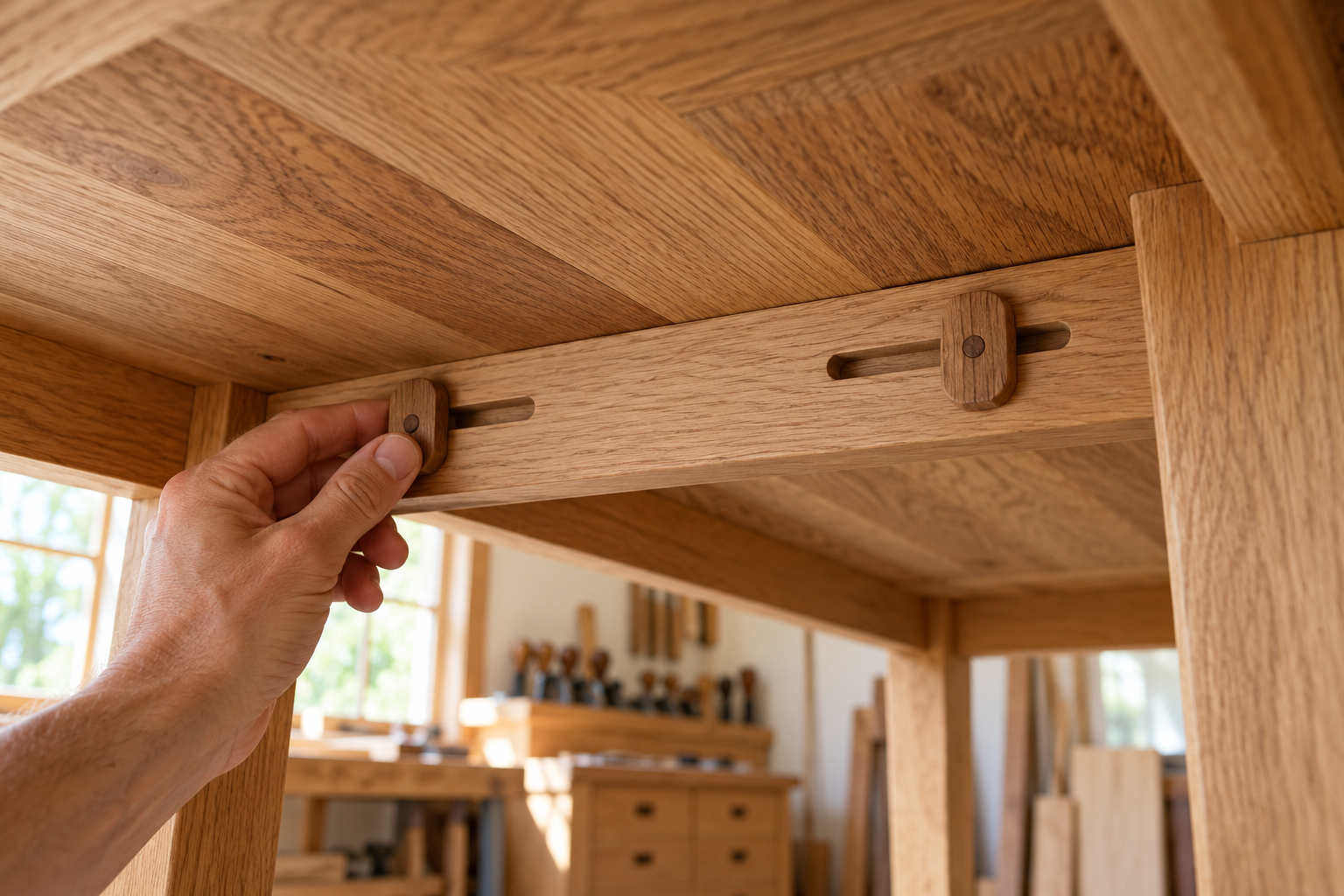
A solid wood top changes width as humidity changes. Buttons, slots and movable fasteners hold it to the base while leaving room across the grain.
There was nowhere to stand in my workshop. I had a bench, tools, three promising projects and enough offcuts to suggest I was preserving a forest by installments. To reach one useful object, I moved
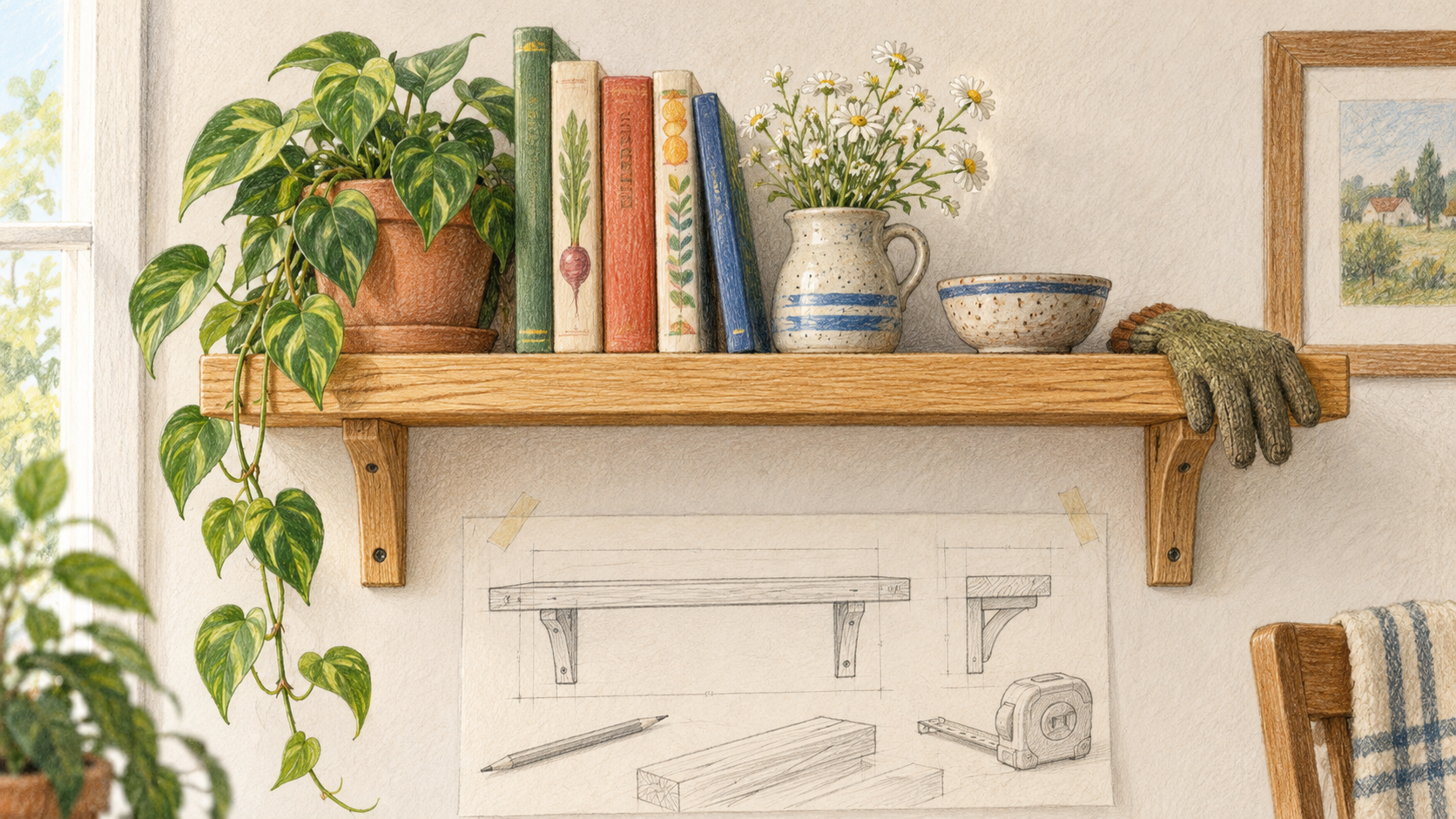
The shelf began with a photograph of a beautiful shelf. This was my first mistake. The photograph contained three tasteful objects. Our household contains cookbooks of several heights, a plant with ambitions and a ceramic